
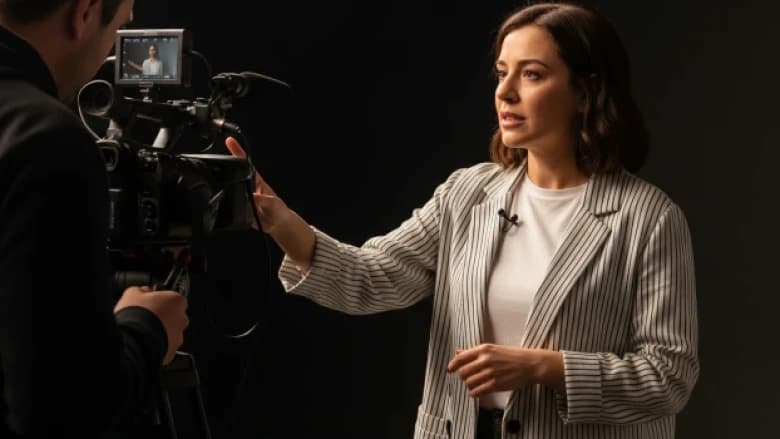
What is a Monologue and Why is it So Crucial in Casting?
A monologue is a moment on stage or in front of the camera where only your voice and body speak. Casting directors use this moment to gauge an actor's technical preparation and emotional depth. It might be short, but its impact lasts long.
Actor applications with monologues have become a standard process, especially in theater and television projects. Choosing a text suitable for the character type defined for the role directly influences the jury. An unprepared monologue, no matter how talented you are, will push you into the background.
Choosing the Right Monologue Text
When choosing a text, first ask yourself: Does this character suit my voice tone and physical characteristics? Choosing a character close to your age and type makes your performance more convincing. At the same time, the length of the text is important; for most auditions, do not exceed 90 seconds.
Also, be careful with cliché texts. Casting teams watch hundreds of auditions, and texts they constantly encounter can distract them. A lesser-known but powerful text will easily make you stand out.
- Choose a character suitable for your age and type.
- Analyze the emotional range of the text beforehand.
- Stay away from cliché monologues.
- Try to keep the duration between 60–90 seconds.
- Focus on memorization; do not present by looking at a paper.
Audition Day: How to Enter the Stage?
The moment you enter the room, the audition begins. Your entry style, posture, and eye contact with the team shape the first impression. Briefly introduce yourself before moving on to the text; even this short moment tells the casting team a lot.
During the performance, you don't have to look directly at the camera or the jury. Determine who your character is speaking to and focus on that point. This way, you will appear focused and maintain the dramatic flow of the text.
When you finish the monologue, don't rush. Wait a few seconds, then thank them and leave. This small detail reflects your self-confidence.
Monologues in Digital and Video Applications
Today, many projects, such as applications for series like Mucize Doktor, conduct their application processes online. This situation also highlights video monologue preparation. Do test shots beforehand to express yourself comfortably in front of the camera.
In video applications, background arrangement and sound quality should not be overlooked. The casting team will most likely not watch a video recorded in a messy place or a noisy environment until the end. Choose a simple, well-lit space.
Also, pay attention to your distance from the camera. A shot from the chest up conveys facial expressions and body language in a balanced way. Shooting too far or too close weakens the performance.
Details Completing Monologue Work
Don't overdo it with costume and makeup. A minimal detail that makes the character felt is enough; full costume often overshadows the performance. The casting team wants to see you, the actor, not the character.
If you are applying for powerful dramas like Çukur, it is an advantage if the tone of the monologue text you choose aligns with the project. Similarly, choosing a dramatically heavy monologue when applying for a comedy project can confuse the message.
Receiving feedback is also part of the process. Even if you are not selected after the audition, be open to the casting team's observations. Every test shot is a valuable experience for the next one.
What type of text should be preferred for a monologue?
Texts featuring a character close to your own voice and type yield the best results. Having both dramatic and comedic monologues ready allows you to apply quickly to different projects. Making an original choice by staying away from well-known texts attracts the attention of the casting team.
How long should a monologue be?
In most casting processes, 60 to 90 seconds is considered sufficient. Although some projects allow up to 2 minutes, a short and powerful performance is always more effective. Concentration loss can occur in long texts; in short texts, every word carries more meaning.
Is there a difference between a camera audition and a live audition?
Both require similar preparation; however, in a camera audition, technical details are more decisive. Sound quality, shooting angle, and background arrangement should support the performance. In a live audition, being able to read the room's energy and adapt instantly comes to the fore.
How can I send my monologue video to your agency?
When filling out the application form, include your actor profile and, if available, the link to your monologue video. If the video is too large, you can share it via a cloud storage service. Our team will evaluate your application and get back to you as soon as possible.
Can the same monologue be used for every role?
While technically possible, it can yield results contrary to the ideal. Each project has different tones and character requirements; choosing a text appropriate for the project you are applying for positively affects your evaluation. Therefore, having several monologues of different genres ready is an advantage.